
Child-Resistant vs Standard Packaging: When Do You Actually Need CR?
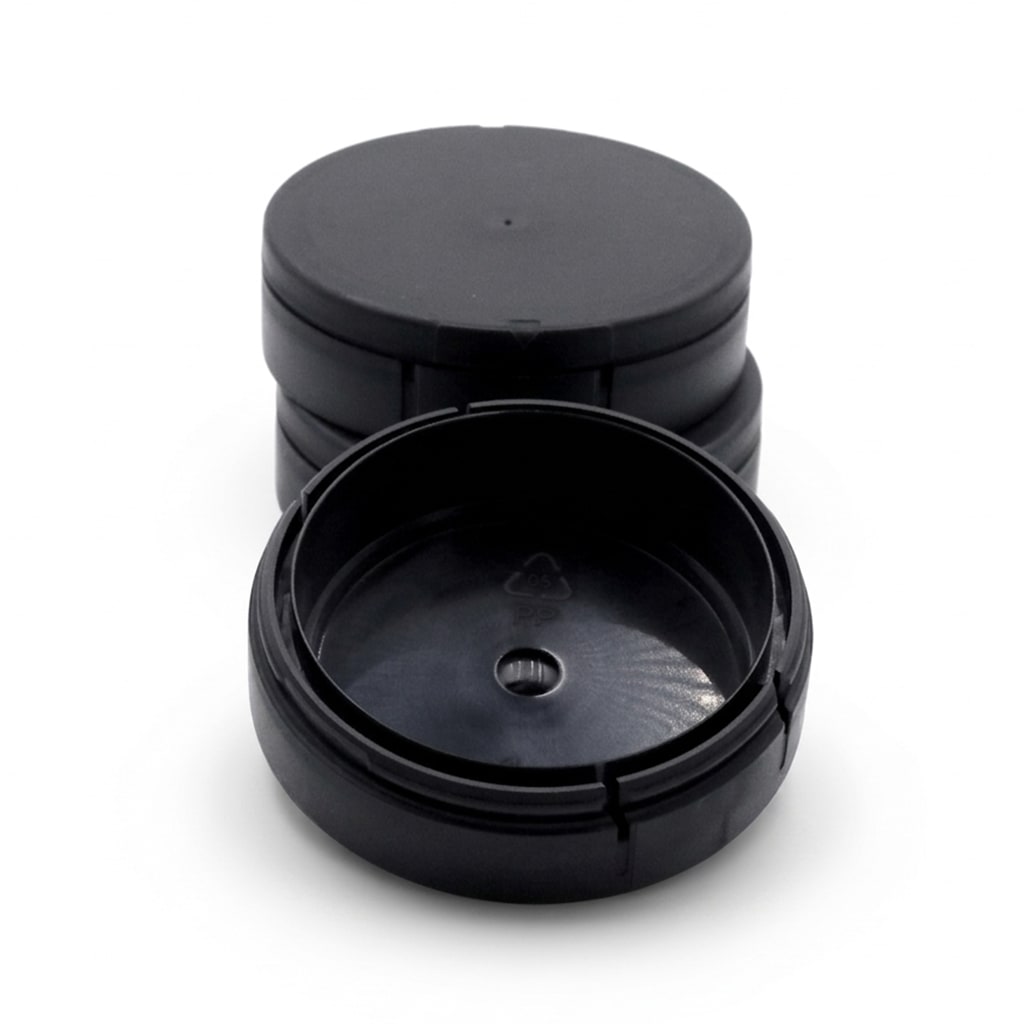
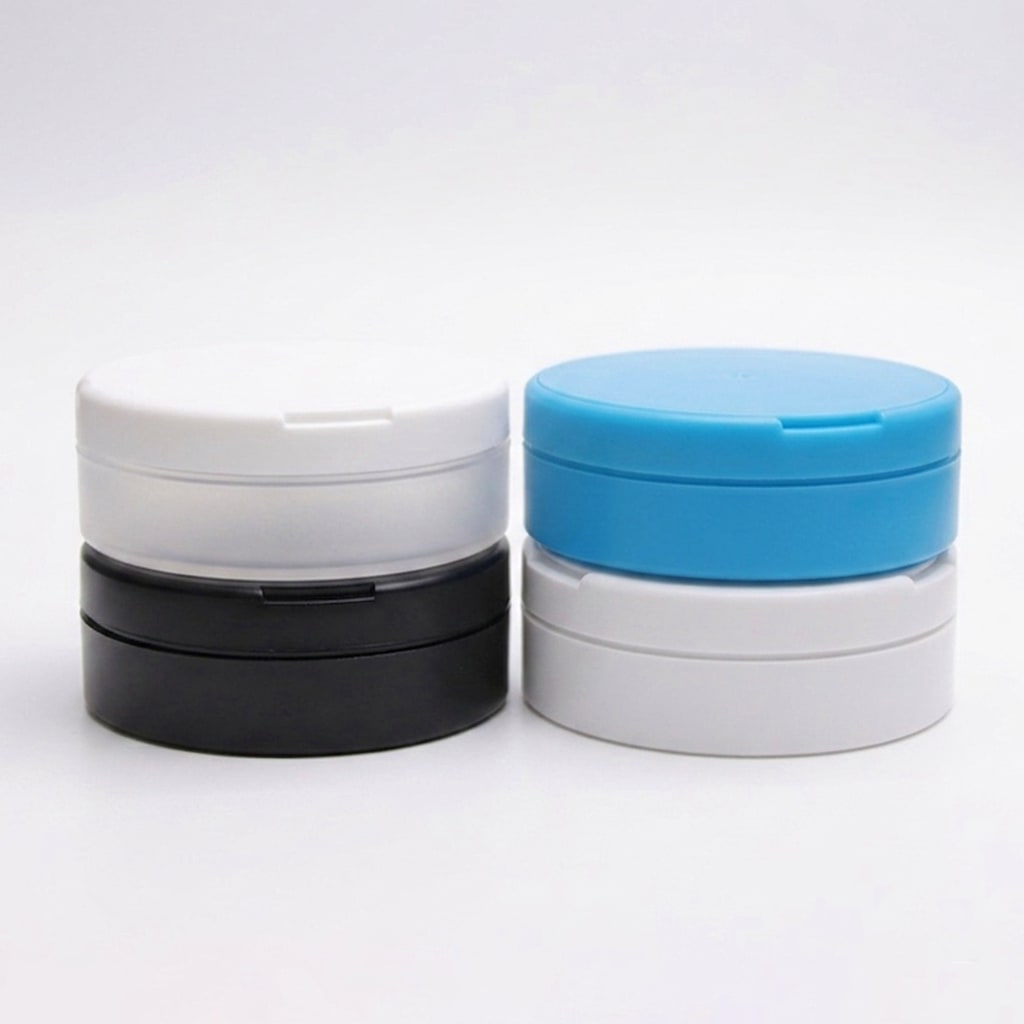
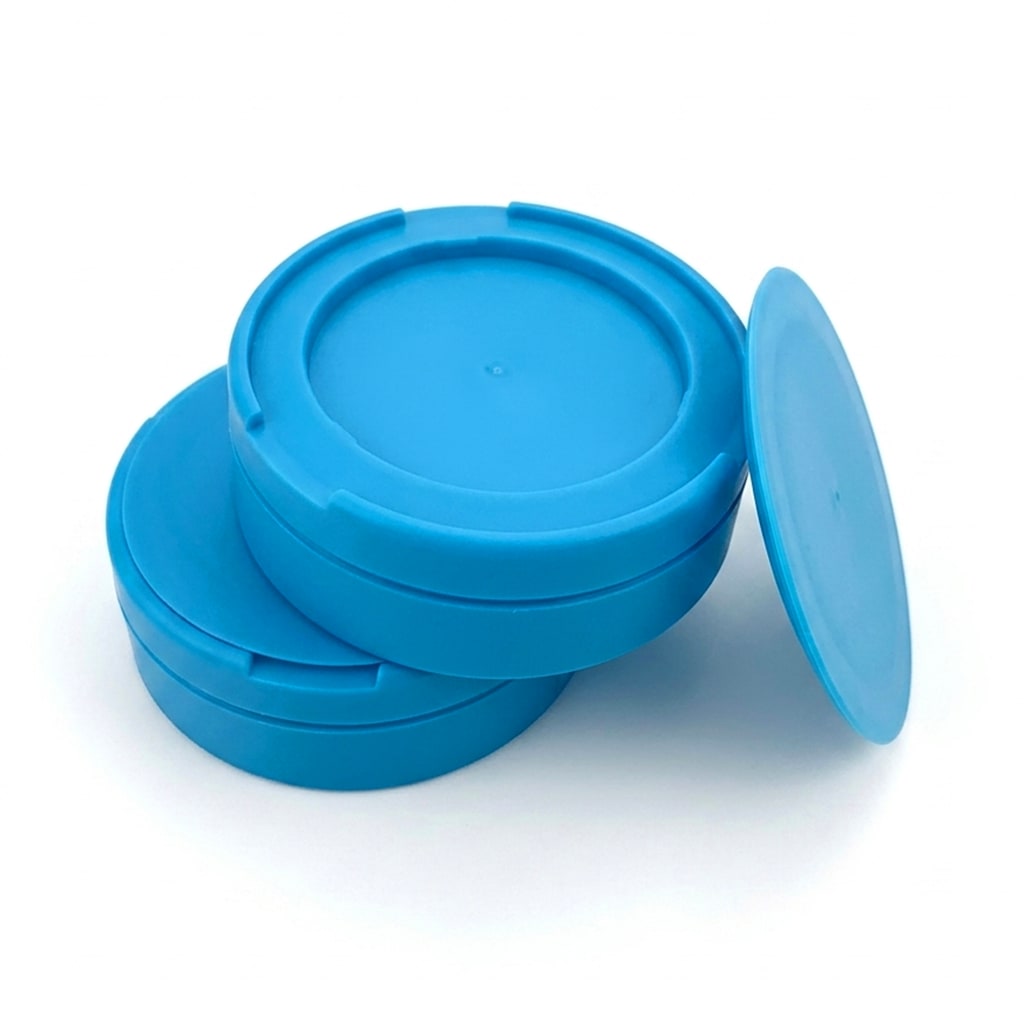
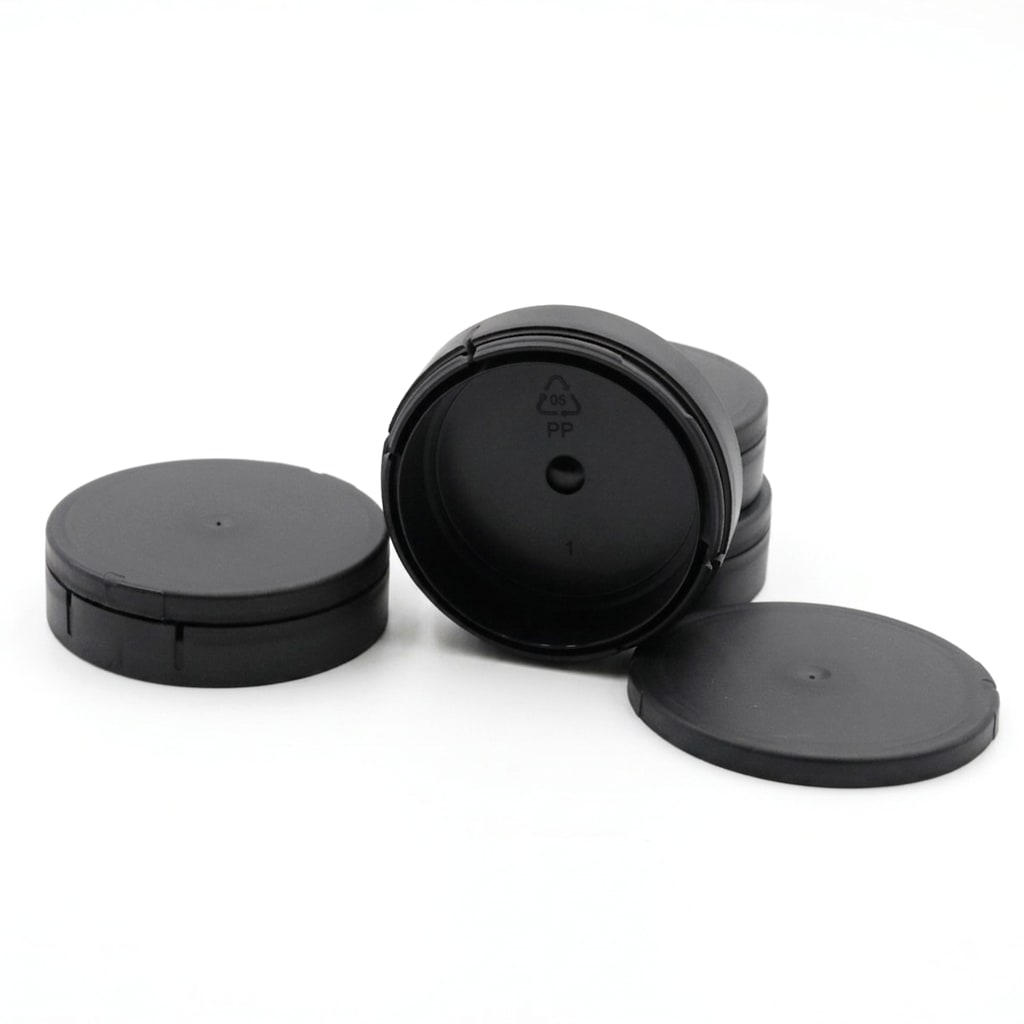
TL;DR: Child-resistant (CR) packaging is required for nicotine and snus products in most developed markets and strongly recommended even where not legally mandatory. Standard packaging is acceptable only for non-regulated products or markets without CR enforcement. The choice depends on four factors: product type, target market, sales channel, and launch stage. MANKE’s CR option is the PP Plastic Snus Can — Child-Resistant (MK-SNUS-PP-CR, push-and-turn, Ø70 × 25 mm), with a slimmer CR variant (MK-SNUS-PP-CR-TRIANGLE, Ø69.8 × 20.4 mm) available for lower pouch counts.
Quick Answer: Does Your Product Need CR Packaging?
You need child-resistant packaging if all three of the following are true:
- Your product contains nicotine, cannabis, pharmaceuticals, or other regulated substances.
- You sell in or plan to enter the US, EU, UK, Canada, GCC, or Australia.
- Your end customer is a consumer, retailer, or marketplace that enforces CR requirements.
You can use standard packaging if:
- Your product is not regulated (e.g., caffeine pouches in most markets, herbal blends).
- You sell B2B to distributors who handle final retail packaging.
- You are running a pilot in a market that does not enforce CR rules.
The rest of this guide explains how to apply this decision framework to your specific product and go-to-market plan.
What Makes Packaging Child-Resistant
Child-resistant packaging is defined by standards, not by marketing claims. The most widely recognized standards are:
| Standard | Region | Test Summary |
|---|---|---|
| ISO 8317 | International | 200 children (42–51 months) attempt to open; ≥85% must fail within 5 minutes. 100 adults (50–70 years) must open within 1 minute. |
| 16 CFR 1700.20 | United States | Administered by CPSC; requires testing at a CPSC-recognized lab. Similar child/adult panel protocol. |
| EN 862 | European Union | CR standard for non-pharmaceutical products; often referenced alongside TPD for nicotine products. |
| CSA Z76.1 | Canada | Canadian CR standard; commonly aligned with ISO 8317 test data. |
| GSO ISO 8317 | GCC / UAE | Regional adoption of ISO 8317 for UAE and Gulf markets. |
MANKE’s CR cans use a push-and-turn mechanism: a base, collar, and lid that require a coordinated downward push and rotation. This is the same mechanism used across MANKE CR SKUs, including the main MK-SNUS-PP-CR and the slimmer MK-SNUS-PP-CR-TRIANGLE. [来源: PS-002]
Important: “Child-resistant” does not mean “child-proof.” It means the packaging is significantly difficult for children under 5 to open within a reasonable time, while remaining accessible to adults. This is why certification requires both a child panel and an adult panel.
Decision Framework: Product, Market, Channel, Stage
Use this framework to decide whether CR or standard packaging fits your launch.
| Factor | Choose CR If… | Choose Standard If… |
|---|---|---|
| Product | Nicotine pouches, snus, cannabis, pharma, household chemicals | Caffeine pouches, herbal pouches, non-regulated supplements |
| Market | US, EU, UK, Canada, GCC, Australia | Markets with no CR enforcement for your product category |
| Channel | Retail, Amazon, convenience stores, pharmacies | B2B bulk to distributors who package the final retail unit |
| Launch stage | Scaling beyond pilot; entering regulated retail | Early pilot in unregulated market; validating product-market fit |
A Canadian non-nicotine oral pouch brand chose to launch with CR-ready SKUs even before CR was legally mandatory in their segment. Their reasoning: retailers and future US expansion plans made CR a forward-looking choice, not just a compliance checkbox. [来源: CS-004]
Cost and Lead Time Comparison
CR packaging adds cost, but the gap narrows at volume and is small compared to compliance risk.
| Cost / Lead Factor | Standard Packaging | Child-Resistant Packaging |
|---|---|---|
| Example SKU | MK-SNUS-PP-SL (Screw-Top) | MK-SNUS-PP-CR (Child-Resistant) |
| Unit price at 10K–50K | ~$0.099/pc | ~$0.112/pc |
| Unit price at 200K+ | ~$0.084/pc | ~$0.097/pc |
| Typical premium | — | +$0.013–0.028/pc |
| Sample lead time | 7–10 working days | 7–10 working days |
| Mass production lead time | 15–20 days (10K) | 15–20 days (10K) |
| Packing | Body + lid assembled | Body + lid packed separately |
| Certification docs | FDA food-contact on request | ISO 8317 + FDA per batch (standard) |
At 200K units, the CR premium is roughly $2,600 on the order total. By contrast, a single customs rejection, retailer delisting, or product recall can cost tens of thousands of dollars in rework, air freight, and lost shelf space. [来源: PS-002, SB-009]
Markets Where CR Is Mandatory vs Recommended
| Market | Regulation | Status for Nicotine / Snus |
|---|---|---|
| United States | 16 CFR 1700.20 (PPPA) | Mandatory |
| European Union | TPD Article 20 + EN 862 | Mandatory |
| United Kingdom | BS EN ISO 8317 | Mandatory |
| Canada | SOR/2001-269 (CSA Z76.1) | Mandatory |
| Australia | TGA / ACCP | Mandatory or strongly recommended |
| GCC / UAE | GSO ISO 8317 | Mandatory in most GCC states |
| Unregulated emerging markets | None | Recommended as brand differentiation |
If you plan to sell in multiple markets, start with a CR-certified SKU. MANKE’s MK-SNUS-PP-CR carries both ISO 8317 and 16 CFR 1700.20 credentials, which covers the two largest regulated markets (international and US) with one SKU.
When Standard Packaging Is Acceptable
Standard packaging is the right choice in specific situations:
- Non-regulated product categories. Caffeine pouches, herbal pouches, and certain functional supplements do not trigger CR requirements in most markets.
- B2B distributor sales. If you sell bulk empty cans or filled product to a distributor who handles final retail packaging, they may specify their own CR-compliant packaging.
- Pilot launches in unregulated markets. Brands often test with standard Screw-Top or Flip-Top cans to validate demand before investing in CR tooling and certification.
- Cost-sensitive volume SKUs. Some brands run a split strategy: CR for regulated markets, standard for unregulated markets.
The key is to make the decision intentionally. Using standard packaging in a regulated market is not a cost saving — it is a liability.
Related Reading
- Child-Resistant Packaging Compliance Guide — MANKE’s capability pillar on CR standards, testing, and certification
- ISO 8317 vs 16 CFR 1700.20 — Which CR standard applies to your market?
- Child-Resistant Packaging for Nicotine Pouches — Market-specific compliance by region
- Child-Resistant Snus Cans: Procurement Guide — Specs, pricing, and ordering workflow
- Free CR Compliance Checklist — 6-point market-by-market checklist
- Browse All Snus Can SKUs — Compare CR and standard options side by side
Not sure whether your product needs CR packaging? Request a free CR compliance review → and MANKE’s compliance team will map your product, target markets, and channels to the right packaging choice. Or download the free CR checklist to audit your requirements yourself.