
Child Resistant Snus Can — ISO 8317 CR-Certified for US, EU, UK, Canada & UAE/GCC Markets
The difference between US market entry and customs rejection. CR-certified with third-party lab reports shipped on every batch.
Samples from 5–10 units, shipped in 7–10 days
Why CR Certification Matters
for Snus & Nicotine Pouches
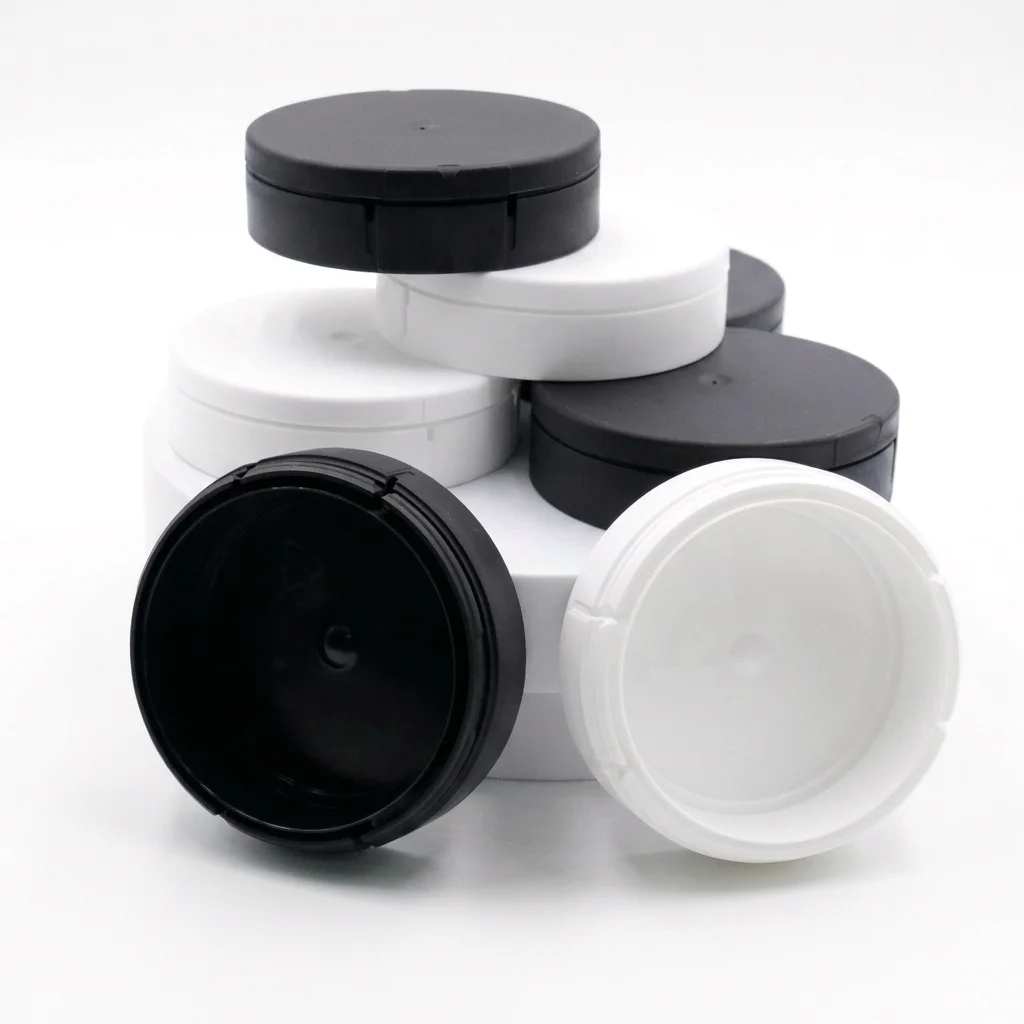
A child resistant snus can is essential for any nicotine pouch or snus brand entering regulated markets. Child-resistant (CR) packaging is no longer optional for nicotine pouch brands targeting the United States, European Union, United Kingdom, Canada, UAE/GCC, or Australia. Regulatory frameworks including 16 CFR 1700.20 (US), TPD Article 20 (EU), UK TPD, CAN/CSA Z76.1 / SOR/2001-269 (Canada), and GSO ISO 8317:2015 / UAE.S 708 (UAE/GCC) all mandate that nicotine-containing products be packaged in containers that are significantly difficult for children under 5 to open, while remaining accessible to adults. Failure to comply can result in customs seizure, retailer rejection, and legal liability.
Our CR snus and nicotine pouch cans are independently tested to ISO 8317 (the global standard for reclosable child-resistant packaging) and 16 CFR 1700.20 (the US Poison Prevention Packaging Act). Every batch ships with a third-party lab report documenting test date, lab accreditation, batch number, and conformance statement — not a photocopied PDF, but the original report. This documentation has cleared customs in over 30 countries without a single rejection.
How Our 3-Layer CR Closure Works
The CR mechanism is in the lid, not the can body. Our 3-layer closure design combines a push-and-turn top cap, a torque-limiting intermediate ring, and a locking base flange. To open, the user must apply downward pressure while rotating approximately 45 degrees — a dual-motion sequence that children under 5 typically lack the dexterity to perform. The closure is engineered with a 15% torque safety margin above the minimum adult-open threshold, compensating for temperature-related material expansion, natural wear, and batch-to-batch variance over the product lifecycle.
PP vs PET vs Aluminum CR: Which to Choose
PP plastic CR cans are the right choice for first-time launches, high-volume SKUs, and brands prioritizing cost control. The CR closure fits the same PP body used for standard non-CR cans, so you can validate market demand with standard cans and upgrade to CR later without changing molds or artwork. PET CR cans offer a slightly more rigid, crystal-clear body option that is popular for brands wanting to showcase pouch color or differentiate from opaque PP lines. Aluminum CR cans are the right choice for premium positioning, duty-free channels, and brands where tactile quality reinforces the CR safety message. All three material options use the same ISO 8317 testing protocol and ship with identical documentation.
Documentation That Passes Customs & Retailer Onboarding
We have learned that the certificate itself is only half the battle. Retailer onboarding teams and customs officers often ask for: (1) lab accreditation scope proving the test house is authorized for ISO 8317; (2) batch traceability linking the certificate to your specific shipment; (3) notarized translations for non-English-speaking jurisdictions. We provide all three by default. For EU and UK customs, we can supply notarized translations in German, French, and Spanish at no extra charge.
Upgrade Path: Standard to CR Without Changing Suppliers
A common misconception is that upgrading to CR requires a new supplier or mold. Because we design both standard and CR closures around the same can body, you can start with standard plastic cans for market testing and upgrade to CR later — same mold, same artwork, same lead time. The only change is the lid. This means your pilot run carries zero CR-specific tooling risk, and your certification path is already mapped out when you are ready to scale into regulated markets.
CR Compliance at a Glance
Every specification you need for customs, retail onboarding, and regulatory filing — documented and ready.
CR Standard
ISO 8317 + 16 CFR 1700.20
Third-party lab tested
Material Options
PP / PET / Aluminum 6061
All food-contact ready
CR Options by Material
PP CR / PET CR / Aluminum CR
Same ISO 8317 test protocol
Dimensions
Ø70 × 25 mm H
70 mm diameter × 25 mm height; custom sizes on request
Closure Types
CR 3-layer / Precision-machined
Push-and-turn mechanism
Decoration
Screen print / Foil / Laser
Pantone matched
Certification Docs
Shipped with every batch
No extra charge
Compatible With
ZYN, Pablo, Velo, White Fox, Killa
Dimension-matched drop-in
Moisture Resistance
PP <0.01% / Al zero vapor
PP inherent; Al hard-anodized seal
Which CR Can Fits Your Market?
Match your target market to the required CR certification and material.
| If You Need... | Recommended | Required Certification | Why |
|---|---|---|---|
| US retail entry | PP Plastic CR Can | 16 CFR 1700.20 | CPSC-accepted lab report for US retail onboarding |
| EU / UK retail entry | PP or PET CR Can | ISO 8317 / EN 862 | TPD-aligned documentation for EU and UK customs |
| UAE / GCC entry | PP Plastic CR Can | GSO ISO 8317:2015 | Mandatory GCC certification; customs blocked without it |
| Premium positioning | Aluminum CR Can | ISO 8317 + 16 CFR 1700.20 | CNC-machined closure and anodized 6061 body |
CR-Certified Snus & Nicotine Pouch Cans
PP, PET & Aluminum CR Options
ISO 8317 and 16 CFR 1700.20 tested child-resistant snus cans and nicotine pouch containers. PP, PET and aluminum CR options with third-party lab reports on every batch.
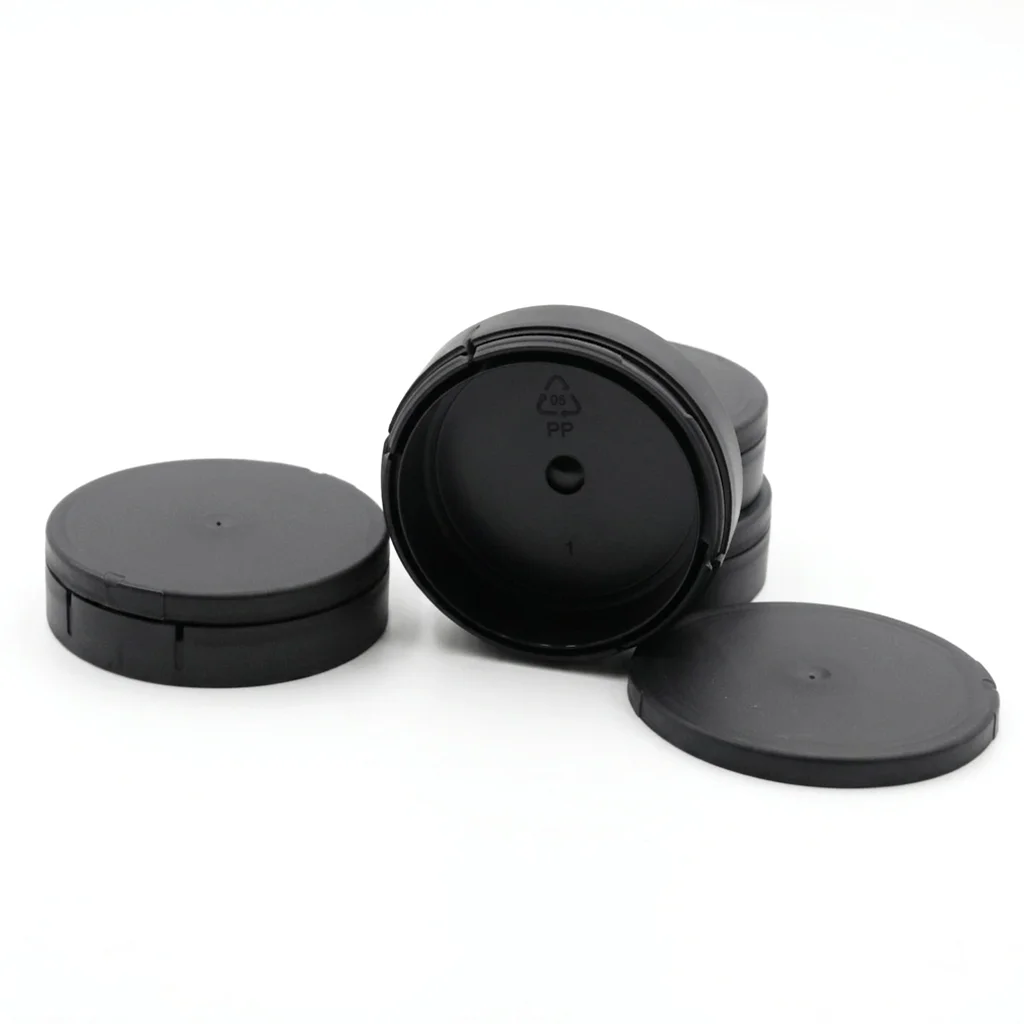
Child-Resistant
CR-certified with ISO 8317 lab reports on every batch. Cleared customs in 30+ countries without rejection.
- Material: Food-grade PP (polypropylene)
- CR Standard: ISO 8317 + 16 CFR 1700.20
- MOQ: 10,000 pcs
- Sampling: 7–10 days
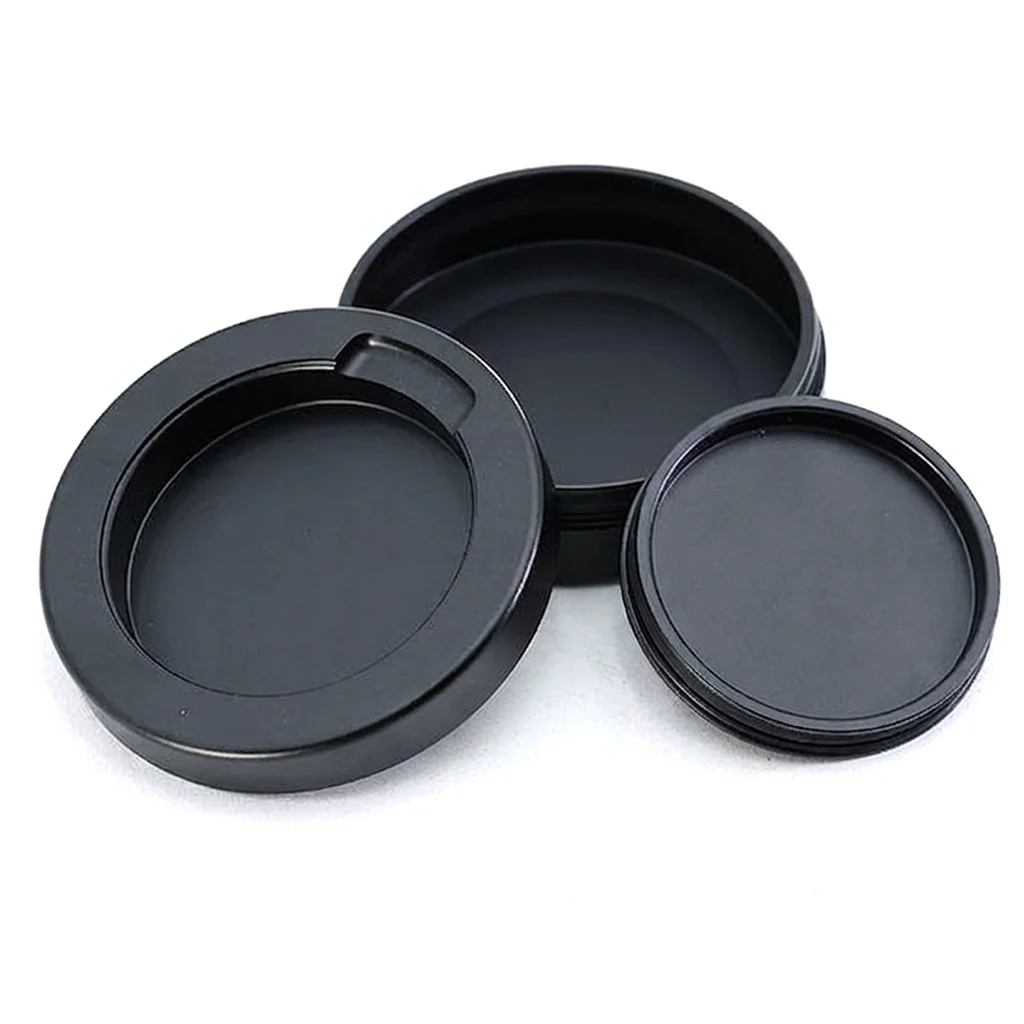
Aluminum Snus Can — Premium CR
Hard-anodized 6061 aluminum with CNC-machined CR closure. Premium tactile feel for brands above commodity pricing.
- Material: 6061 Aluminum, anodized
- CR Standard: ISO 8317 + 16 CFR 1700.20
- MOQ: 10,000 pcs
- Sampling: 14 days
What does CR-certified mean for snus and nicotine pouch cans?
Do you provide CR test reports for customs clearance?
What is the MOQ for CR snus and nicotine pouch cans?
What is the price range for child-resistant snus cans?
How long does CR sampling take?
Can I upgrade from non-CR to CR later?
Which markets require CR packaging for nicotine pouches?
Are your CR cans suitable for nicotine pouches as well as snus?
Can I get CR certification for PP, PET and aluminum cans from the same supplier?
What happens if my CR cans fail a retailer audit?
Do I need different CR cans for the US, EU, UK, Canadian, and UAE/GCC markets?
Do I need to arrange GSO ISO 8317 certification myself for the UAE or GCC?
Can I get a child-resistant can with a used-pouch compartment?
Do you ship CR cans with base and lid separated for automatic capping lines?
How do I evaluate a much lower unit price from another supplier?
Will your CR cans fit my existing filling line?
Can I order a small batch for factory line testing before committing to full volume?
Related Solutions
Explore packaging solutions tailored to your stage.
Scale Production
Grow from 10,000 to 500,000+ units with the same supplier and predictable lead times.
Upgrade to Aluminum
Premium anodized aluminum cans for luxury positioning. CNC-machined closures.
Private Label OEM
Launch your nicotine pouch brand in 6 weeks. Samples in 7 days, MOQ from 10,000 units.
Get Your Free CR Snus & Nicotine Pouch Can Sample Kit
Get a free sample kit with PP, PET and aluminum CR variants, certification previews, and a compliance checklist. Samples are free; you cover shipping. We'll return a quote within 24 hours.