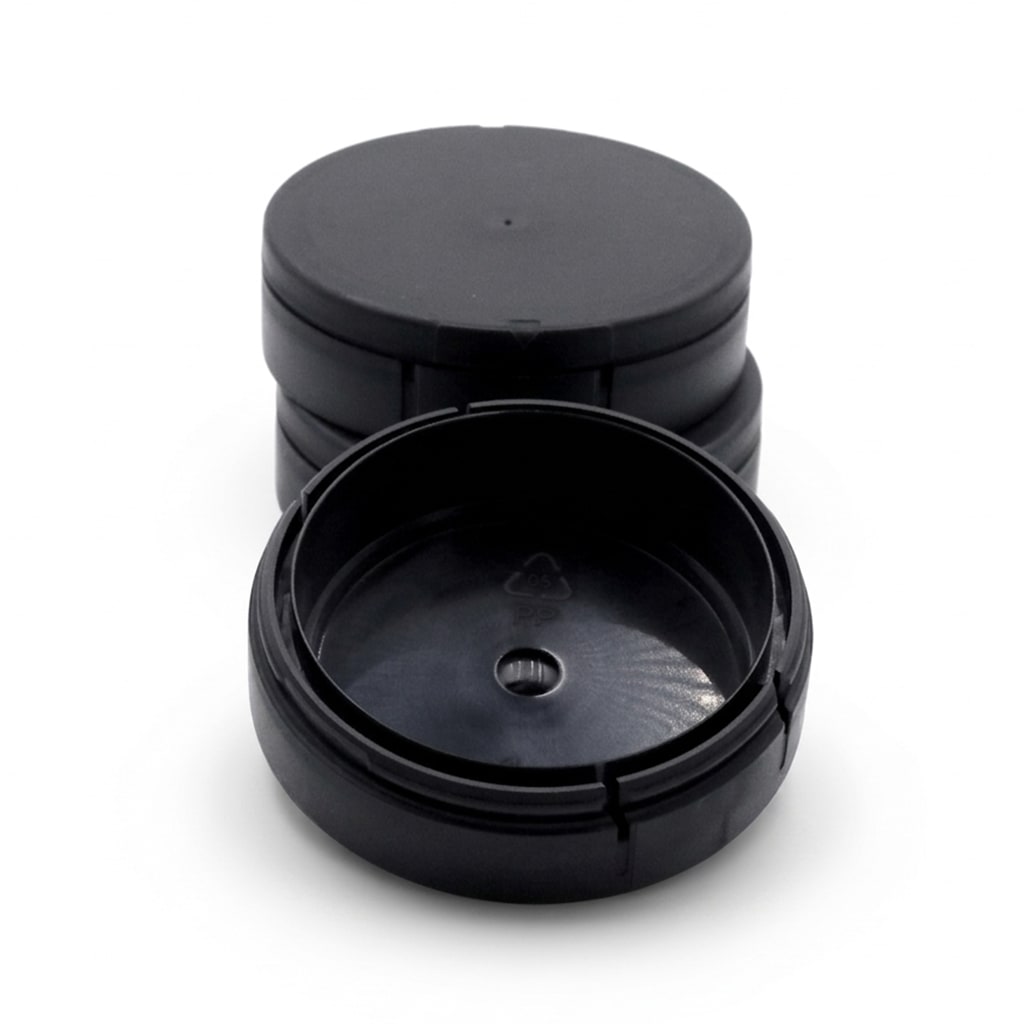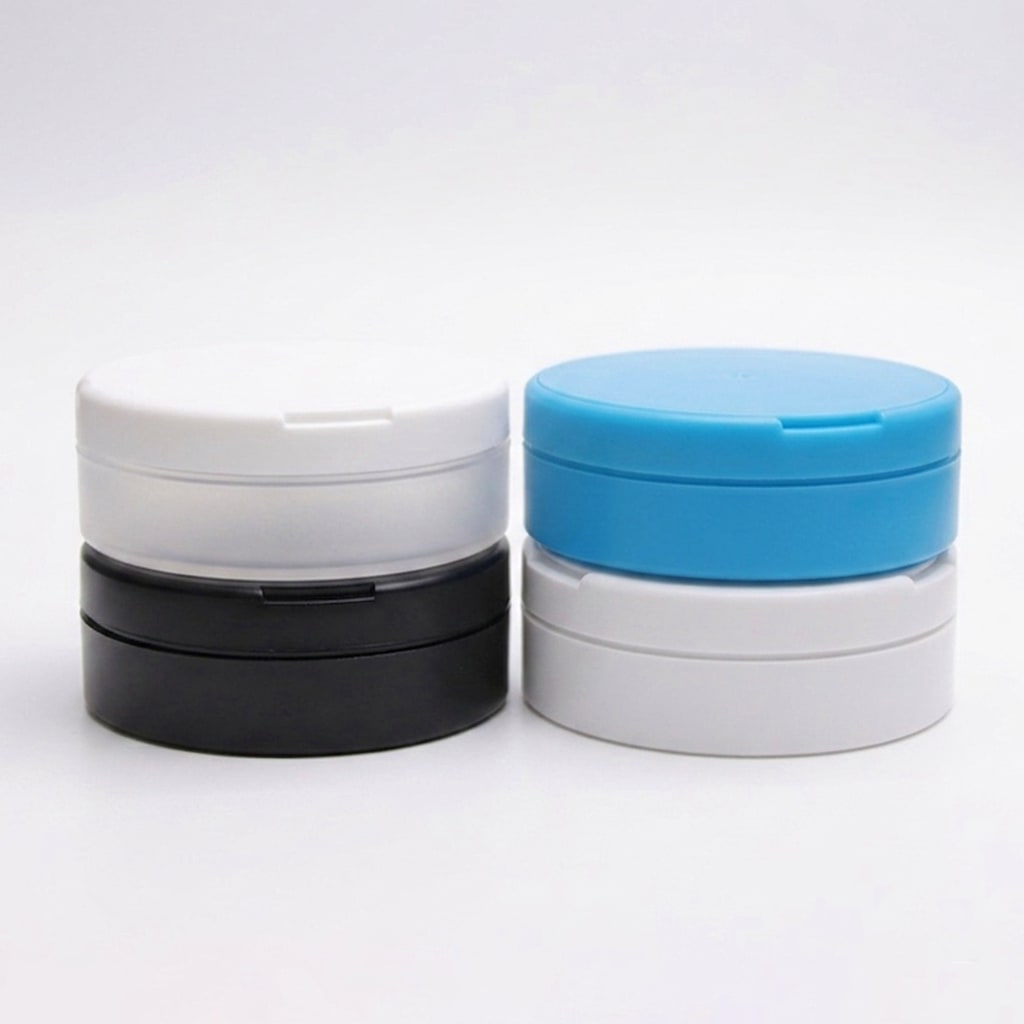

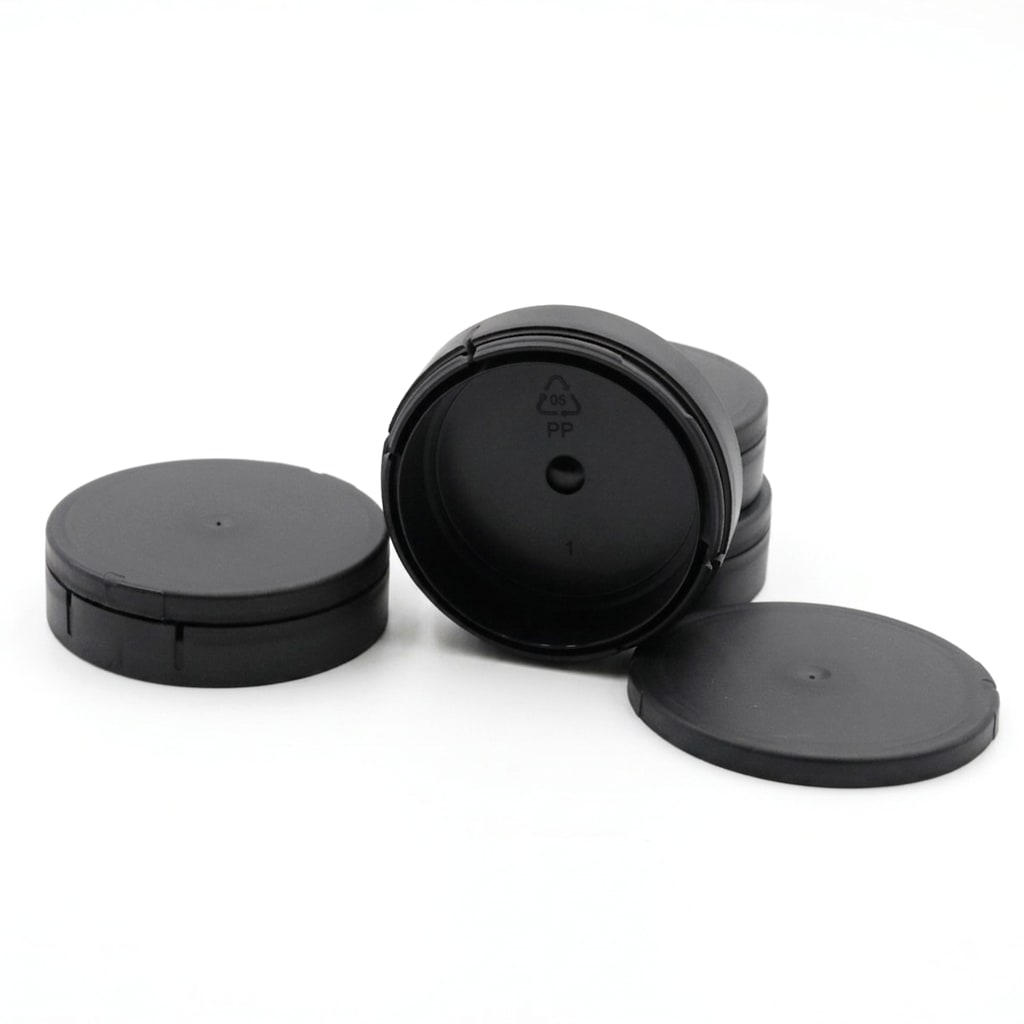
TL;DR: Child-resistant packaging is legally required for nicotine pouches sold in the US, EU, UK, Canada, Australia, and GCC. The applicable standard depends on the market: 16 CFR 1700.20 in the US, ISO 8317 / EN 862 in the EU and UK, CAN/CSA Z76.1 in Canada, TGA-recognized ISO 8317 in Australia, and GSO ISO 8317:2015 in the GCC. MANKE’s PP Plastic Snus Can — Child-Resistant (MK-SNUS-PP-CR) is pre-certified to ISO 8317 and compatible with 16 CFR 1700.20 dual certification, with MOQ starting at 10,000 units and samples shipping in 7–10 days.
Quick Answer: Does Your Nicotine Pouch Packaging Need to Be Child-Resistant?
Use this three-question check:
| Question | If Yes | If No |
|---|---|---|
| Is your product a nicotine pouch? | CR is required or strongly recommended in most developed markets. | Standard packaging may be acceptable for non-nicotine products (e.g., caffeine or herbal pouches). |
| Are you selling to consumers in the US, EU, UK, Canada, Australia, or GCC? | You almost certainly need CR-compliant packaging and third-party test reports. | You may use standard packaging if local law does not require CR. |
| Is your channel retail, pharmacy, convenience, or major marketplace? | Retailers and marketplaces require documented CR certification. | B2B distributor sales may accept non-CR if the distributor handles final retail packaging. |
If all three answers are yes, start with a pre-certified CR can such as MK-SNUS-PP-CR. If any answer is no, evaluate whether standard packaging plus a future CR upgrade path meets your launch stage.
Child-resistant (CR) packaging is legally required for nicotine pouches sold in the US, EU, Australia, and GCC markets. MANKE’s ISO 8317 certified PP snus cans start at 10,000 units, with CR samples delivered in 7–10 days and dual ISO 8317 / 16 CFR 1700.20 certification coordinated through CPSC-accepted laboratories. This guide explains which standards apply to each target market, how CR testing works, and how MANKE’s four-step workflow cuts certification time from months to 30–45 days.
What Is Child-Resistant Packaging and Why Does It Matter for Your Brand?
Child-resistant packaging, often abbreviated as CR packaging, refers to containers designed to be significantly difficult for children under five years of age to open, while remaining reasonably accessible to adults.
In the nicotine pouch industry, CR packaging is not just a safety feature. CR packaging is a legal gatekeeper that determines whether a product can legally sit on a shelf in the United States, the European Union, Australia, and an expanding list of regulated markets.
The Regulatory Landscape: FDA, CPSC, EU, and TGA
The regulatory web around nicotine pouch packaging is layered and sometimes contradictory. Here is how the major jurisdictions break down.
United States — FDA and CPSC
In the U.S., nicotine pouches fall under the jurisdiction of the Food and Drug Administration (FDA) as tobacco-derived products. The Consumer Product Safety Commission (CPSC) enforces the Poison Prevention Packaging Act (PPPA). Under 16 CFR 1700.20, any household substance that poses a risk of serious personal injury or illness to children must be packaged in child-resistant packaging.
Nicotine is toxic in concentrated form, and pouches can be attractive to young children. CR packaging is therefore effectively mandatory for retail sale in the U.S.
The FDA’s Center for Tobacco Products has also signaled increasing scrutiny of packaging safety in premarket submissions. Brands that cannot demonstrate CR compliance in their packaging specifications face delays in PMTA reviews or outright rejection.
European Union — TPD and National Regulations
The EU Tobacco Products Directive (TPD) does not explicitly mandate child-resistant packaging for nicotine pouches in all member states, but national transpositions vary. Countries like Germany, France, and the Netherlands have adopted stricter national standards that either require CR mechanisms or are moving toward them.
ISO 8317 is not EU-wide mandatory for nicotine pouches, but it is widely accepted by national regulators and major EU retailers as proof of CR compliance. EN 14375 also provides a European standard for non-reclosable child-resistant packaging, which some member states reference for nicotine products.
For brands launching in multiple EU markets, ISO 8317 certification is usually the most efficient single credential because it is recognized across member states and avoids the cost of running separate national tests.
Australia — TGA Requirements
Australia’s Therapeutic Goods Administration (TGA) regulates nicotine products under the Poisons Standard. Nicotine at concentrations above certain thresholds is classified as a Schedule 4 substance, and packaging must comply with TGA child-resistant requirements.
The TGA recognizes ISO 8317 testing protocols, which simplifies compliance for brands already certified to that standard.
United Kingdom — Post-Brexit Position
After Brexit, the UK maintains alignment with EU TPD requirements through the UKCA marking regime. While CR packaging is not universally mandated for all nicotine pouches, the UK Medicines and Healthcare products Regulatory Agency (MHRA) recommends child-resistant containers for higher-strength products.
Major retailers increasingly require CR certification as a condition of listing.
Risks of Non-Compliance: Recalls, Fines, and Market Access Denial
The consequences of skipping CR compliance are not theoretical. In 2023, a U.S.-based nicotine pouch brand faced a voluntary recall after CPSC testing revealed that its packaging failed the child-resistant protocol.
The recall cost the company an estimated $400,000 in direct logistics and replacement costs, plus unquantified brand damage and retail relationship strain.
Beyond recalls, the CPSC can impose civil penalties of up to $100,000 per violation under the PPPA. For imported products, U.S. Customs and Border Protection can detain shipments that lack proper CR certification documentation, leading to demurrage charges and missed launch windows.
In the EU, non-compliant products can be barred from national markets through rapid alert systems. In Australia, TGA non-compliance can trigger criminal penalties for suppliers.
CR packaging is not a marketing add-on. CR packaging is a cost of doing business in regulated markets.
Decision Matrix: Which Packaging for Which Scenario?
| Market / Channel | Product | Recommended Packaging | MANKE SKU to Start With |
|---|---|---|---|
| US retail / Amazon / convenience | Nicotine pouch | CR required — 16 CFR 1700.20 | MK-SNUS-PP-CR |
| EU retail / pharmacy | Nicotine pouch | CR required or expected — ISO 8317 / EN 862 | MK-SNUS-PP-CR |
| UK retail | Nicotine pouch | CR strongly recommended — BS EN ISO 8317 | MK-SNUS-PP-CR |
| Canada retail | Nicotine pouch | CR required — CAN/CSA Z76.1 | MK-SNUS-PP-CR |
| Australia / TGA-registered | Nicotine pouch | CR required — ISO 8317 recognized | MK-SNUS-PP-CR |
| UAE / GCC retail | Nicotine pouch | CR required — GSO ISO 8317:2015 | MK-SNUS-PP-CR |
| Unregulated emerging market | Nicotine pouch | CR recommended as differentiator | MK-SNUS-PP-CR or standard can + upgrade path |
| B2B distributor bulk | Nicotine pouch | Standard packaging acceptable if distributor handles final retail pack | MK-SNUS-PP-SL or MK-SNUS-PP-FT |
| Non-nicotine functional pouch | Caffeine / herbal | Standard packaging unless local law requires CR | MK-SNUS-PP-SL or MK-SNUS-PP-FT |
| Premium / gift positioning | Nicotine pouch | Aluminum CR for brand differentiation | MK-SNUS-AL-CR (custom project) |
Use this matrix to narrow your choice before requesting samples. If you are unsure which row applies to your launch, request a free CR compliance review and MANKE’s team will map your specific product and markets to the right SKU.
CR Certification Standards Explained
ISO 8317, 16 CFR 1700.20, and TGA requirements differ in testing panel size, pass/fail thresholds, and regional recognition. Understanding these differences is essential for choosing the right certification path and avoiding redundant testing costs.
ISO 8317 — International Standard for Reclosable Packages
ISO 8317 is the most widely recognized international standard for reclosable child-resistant packaging. It specifies testing procedures using panels of children aged 42 to 51 months and senior adults aged 50 to 70 years.
To pass, a package must be opened by no more than 15 percent of children within the first five minutes of testing, and by no more than 20 percent after a demonstration. Simultaneously, at least 90 percent of senior adults must be able to open and properly reclose the package.
ISO 8317 certification is accepted or recognized in over 80 countries, making it the most efficient single certification for brands planning multi-market launches. MANKE’s MK-SNUS-PP-CR can series is tested and certified to ISO 8317, providing brands with a passport to global compliance.
The standard covers reclosable packages with various closure mechanisms, including push-and-turn, squeeze-and-turn, and latch-release designs. For nicotine pouch cans, the push-and-turn mechanism is the most common because it integrates cleanly with standard can geometries and can be operated with one hand.
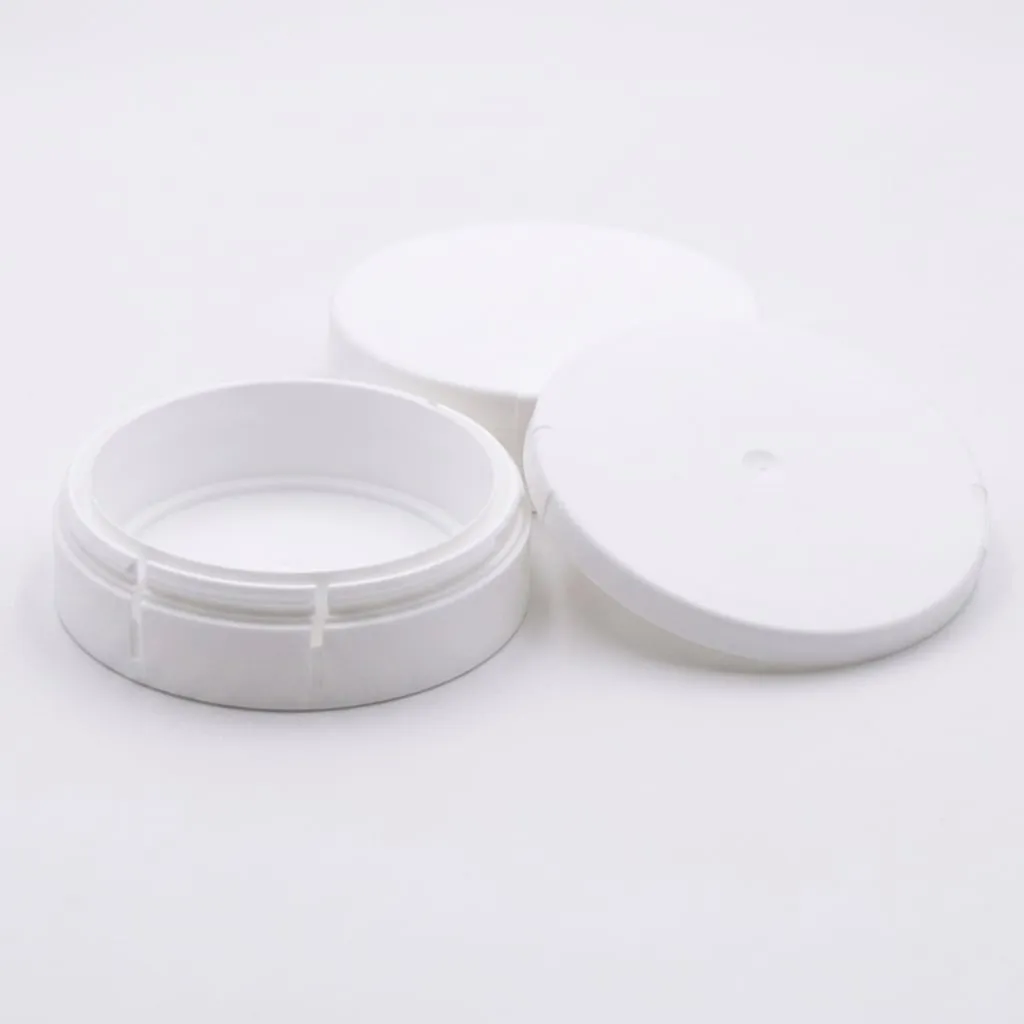
16 CFR 1700.20 — U.S. Poison Prevention Packaging Act
16 CFR 1700.20 is the implementing regulation for the U.S. Poison Prevention Packaging Act. It specifies child-resistant testing protocols that are similar but not identical to ISO 8317.
The key differences include:
- Child panel age range: 42 to 51 months, same as ISO 8317, but the U.S. protocol requires a larger minimum panel size (200 children versus ISO 8317’s 100).
- Senior panel age range: 50 to 70 years, with a minimum of 100 senior adults versus ISO 8317’s 100.
- Pass/fail criteria: No more than 15 percent of children may open the package in the first five minutes; no more than 20 percent after demonstration. Senior adult success rate must be at least 90 percent.
While the pass/fail thresholds are numerically similar to ISO 8317, the U.S. protocol requires testing by a CPSC-accepted third-party laboratory and submission of a Child-Resistant Packaging Statement (CRPS) for certain product categories. For nicotine pouches, brands should assume that CPSC-level testing is required for full U.S. retail compliance.
MANKE coordinates with CPSC-accepted laboratories to provide dual ISO 8317 and 16 CFR 1700.20 testing, so brands do not need to run two separate certification campaigns.
TGA Requirements for the Australian Market
Australia’s TGA does not maintain a standalone child-resistant packaging standard. Instead, it references ISO 8317 and AS 1926 for compliance verification.
For nicotine pouch brands entering Australia, the most efficient path is to obtain ISO 8317 certification and then submit the test report to a TGA-recognized conformity assessment body for Australian market registration.
One nuance specific to Australia is the requirement for senior-friendly packaging. The TGA explicitly requires that child-resistant packaging not create undue difficulty for elderly or arthritic users. This TGA requirement makes the senior-adult testing panel in ISO 8317 particularly relevant, and reinforces the importance of choosing a closure mechanism that balances child resistance with adult usability.
Senior-Friendly vs Child-Resistant: Can You Have Both?
A common misconception is that child-resistant packaging must be difficult for everyone to open. In reality, the best CR designs are intentionally easy for adults and intentionally hard for children under five.
The distinction lies in cognitive and motor-skill development. Children under five generally lack the hand strength and coordinated motion required for push-and-turn or squeeze-and-turn mechanisms. Adults, including most seniors, can perform these motions easily once they understand the mechanism.
The real challenge for senior-friendly design is clarity of instruction and ergonomic grip surfaces, not the mechanism itself.
MANKE’s CR can designs incorporate textured grip rings, visual opening indicators, and intuitive arrow markings that guide adult users while providing no useful cues to young children. MANKE’s textured grip + visual indicator approach is increasingly valued by regulators and retailers alike, particularly in markets like Japan and Australia where aging populations are a demographic priority.
The MANKE CR Compliance Workflow
MANKE compresses CR certification into four steps and as little as 30 days for standard can formats. Traditional certification paths can take three to six months, involving back-and-forth with multiple laboratories, design revisions, and documentation delays.
MANKE has structured a four-step workflow that compresses this timeline to as little as 30 days for standard can formats.
Step 1: Can Spec Review and CR Feasibility Assessment
Before any testing begins, MANKE’s engineering team reviews your can specifications — material (PP, aluminum, or hybrid), dimensions, closure type, and intended fill product — to assess CR feasibility.
Not all can designs are equally suited for CR conversion. For example, ultra-thin-wall PP cans may require rib reinforcement to achieve the torque stability needed for push-and-turn closures. Aluminum cans may need thread redesign to prevent galling.
During this stage, MANKE provides a written feasibility report with estimated certification timeline, recommended closure mechanism, and any design modifications required. This prevents the costly mistake of proceeding to testing with a design that is structurally unlikely to pass.
For brands starting from scratch, MANKE offers a catalog of pre-certified CR can templates that can be adapted with custom labels and colors, eliminating the feasibility assessment stage entirely.
Step 2: Sample Production with CR Mechanism Integration
Once the design is finalized, MANKE produces CR-integrated samples within 7 to 10 days. This is significantly faster than industry norms because MANKE maintains in-house mold libraries for standard CR closure geometries and does not need to fabricate new tooling for common formats.
Samples are produced using the same injection-molding or CNC parameters as production runs, ensuring that the CR performance of the sample accurately predicts production performance. Brands receive 50 to 100 sample units for internal review, stability testing, and preliminary user feedback.
Step 3: Third-Party Lab Testing and Documentation
MANKE coordinates testing with accredited third-party laboratories that are recognized by ISO, CPSC, and TGA. The standard testing sequence includes:
- Child panel test: 100 to 200 children aged 42 to 51 months attempt to open the package within five minutes, with a follow-up demonstration and second attempt.
- Senior adult panel test: 100 senior adults aged 50 to 70 years attempt to open, properly reclose, and demonstrate understanding of the closure.
- Torque and stress testing: Mechanical validation that the closure maintains CR performance across temperature ranges (-20°C to 50°C) and after repeated opening cycles.
Testing typically takes 14 to 21 days, depending on laboratory scheduling. MANKE manages the entire submission process, including protocol design, panel recruitment oversight, and raw data review, so brands receive a clean, audit-ready test report without needing to interact directly with the lab.
Step 4: Certification Delivery and Ongoing Batch Compliance
Upon successful testing, MANKE delivers the formal test report, certificate of compliance, and batch testing protocol. For brands requiring ongoing production, MANKE implements batch-level quality controls including:
- Dimensional verification: Every production batch is checked for critical dimensions that affect CR performance (thread engagement depth, wall thickness at stress points).
- Torque spot-checking: Random samples from each batch are torque-tested to confirm closure consistency.
- Documentation chain: Batch records are maintained for five years to support regulatory audits and recall traceability.
MANKE’s batch-level QC and documentation support is particularly valuable for contract manufacturers who need to demonstrate CR consistency across multiple client brands and production runs.
Certification and Compliance Documentation Included
Every CR-certified order from MANKE ships with a complete documentation package that satisfies FDA, CPSC, EU, and customs requirements:
- FDA 21 CFR 177.1520 food-contact compliance declaration
- ISO 8317 certificate + third-party test report (provided per batch)
- EU 10/2011 Declaration of Compliance for food-contact materials
- REACH SVHC screening report
- Certificate of Origin (CO)
- Commercial invoice, packing list, and bill of lading prepared for customs clearance
For brands pursuing U.S. retail listings, MANKE also provides packaging specifications and material safety data sheets to support PMTA submissions. Additional market-specific certifications (GSO for GCC, SASO for Saudi Arabia, TGA acceptance for Australia) can be arranged on request with quoted lead times.
GCC market note — GSO ISO 8317:2015: For brands entering the UAE and broader GCC region, GSO ISO 8317:2015 is a mandatory packaging certification for nicotine products. Without it, customs clearance is blocked and market entry is delayed by months. Many suppliers leave this certification to the buyer, which adds $3,500–$5,000 in unplanned costs and 1–2 years of validity management. MANKE handles GSO ISO 8317:2015 through ISO 17025 accredited laboratories in China, completing the full certification workflow without requiring samples to be sent to the GCC. A Middle East brand operator we supported received GSO-ready documentation as part of their standard order pack, eliminating the typical 3–4 month certification bottleneck.
CR-Compatible Can Options from MANKE
MANKE offers three CR-compatible can lines: pre-certified MK-SNUS-PP-CR, custom PP-CR, and custom aluminum CR. These options range from off-the-shelf certified models to fully custom engineered designs.
MK-SNUS-PP-CR: ISO 8317 Certified PP Can
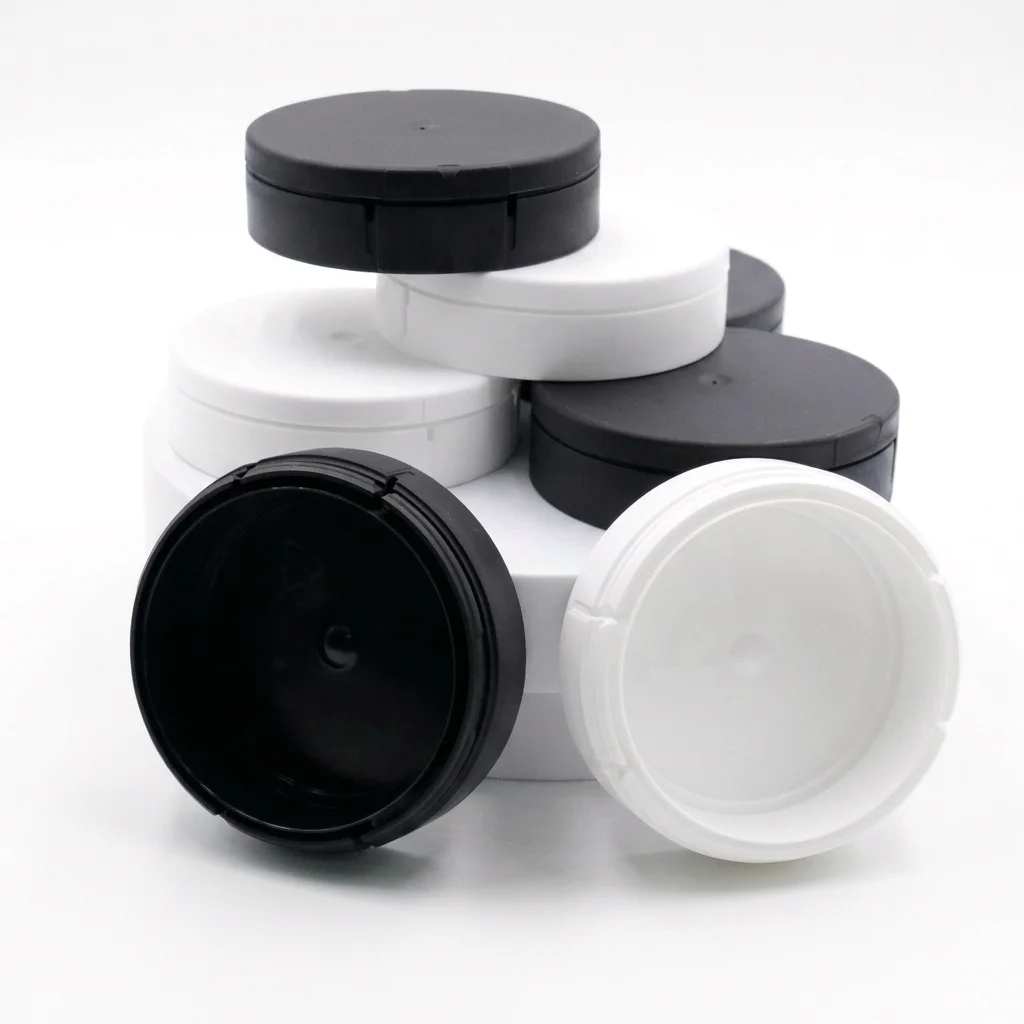
The MK-SNUS-PP-CR is MANKE’s flagship child-resistant can for nicotine pouch brands. Specifications include:
- Material: Food-grade polypropylene (PP), FDA 21 CFR 177.1520 compliant and EU 10/2011 migration tested
- Capacity: Standard format (approximately 20 to 24 pouches, depending on pouch size)
- Closure: Push-and-turn mechanism, ISO 8317 certified
- Certifications: ISO 8317, compatible with 16 CFR 1700.20 dual certification
- MOQ: 10,000 units
- Lead time: 7 to 10 days for samples; 3 to 4 weeks for production
- Price range: approximately $0.10–0.13/pc depending on volume and configuration
- Logistics advantage: CR cans ship with lids separated from bodies, increasing container loading density by approximately 8–10% compared to pre-assembled standard cans
- Customization: In-mold labeling, silk-screen printing, wrap-around labels, and custom Pantone color matching
The MK-SNUS-PP-CR is the recommended starting point for brands launching in the U.S., EU, or Australia, because its pre-certified status eliminates the feasibility and design stages of the workflow entirely.
Custom CR Solutions for Aluminum and Specialty Formats
For premium brands or products requiring non-standard geometries, MANKE provides custom CR engineering for aluminum cans and specialty formats. Custom CR development follows the full four-step workflow and typically requires:
- Tooling lead time: 4 to 6 weeks for new mold fabrication (aluminum CNC) or injection mold (PP)
- Certification timeline: 30 to 45 days from sample approval to test report delivery
- MOQ: 10,000 units for custom aluminum; 10,000 units for custom PP
Aluminum CR designs often use a squeeze-and-latch mechanism rather than push-and-turn, because aluminum’s rigidity allows for spring-loaded latch geometries that are difficult to replicate in plastic. These designs can achieve distinctive tactile and acoustic feedback (a satisfying “click” on closing) that reinforces premium brand positioning.
MOQ and Lead Time Comparison
| Can Type | Material | CR Certification | MOQ | Sample Lead Time | Production Lead Time |
|---|---|---|---|---|---|
| MK-SNUS-PP-CR | PP | ISO 8317 (pre-certified) | 10,000 | 7–10 days | 3–4 weeks |
| Custom PP-CR | PP | ISO 8317 (custom test) | 10,000 | 2–3 weeks | 4–5 weeks |
| Custom AL-CR | Aluminum | ISO 8317 (custom test) | 10,000 | 3–4 weeks | 5–6 weeks |
For brands uncertain about which path to choose, MANKE recommends starting with the MK-SNUS-PP-CR for market validation, then transitioning to a custom aluminum CR design once volume exceeds 25,000 units per month.
CR Product Line Depth
MANKE’s CR-certified offerings are not limited to a single push-and-turn SKU. The catalog includes multiple dimensional and closure variants, allowing brands to match CR compliance to their specific positioning:
| SKU Family | Dimensions | Closure | Best For |
|---|---|---|---|
| MK-SNUS-PP-CR | Ø70 × 25 mm | Push-and-turn | Standard US/EU/UK/Canada/UAE retail entry |
| MK-SNUS-PP-CR-TRIANGLE | Ø69.8 × 20.4 mm | Push-and-turn | Slimmer profile, fewer pouches, sampler/travel formats |
| MK-SNUS-PP-CR-PRISM | Ø69.6 × 23.6 mm | Push-and-turn | Mid-height CR alternative |
| MK-SNUS-AL-CR | Custom 20–25 mm | CNC-machined CR | Premium aluminum positioning |
Custom hinged or mini CR formats are available through MANKE’s OEM/custom mold program (MK-SNUS-PP-CU), but they require dedicated tooling and extended certification timelines.
Case Study 1 — How a U.S. Distributor Switched Suppliers and Upgraded to CR in Under 8 Weeks
A Florida-based distributor (name withheld for confidentiality) had an existing nicotine pouch brand already on shelves in convenience stores. Their original supplier had delivered inconsistent lid torque, leading to customer complaints about lids popping open in pockets — a liability risk in a humid climate.
The challenge intensified when a major retail chain made ISO 8317 CR certification a mandatory requirement for continued shelf placement. The distributor’s existing supplier quoted 14 weeks for CR-capable tooling — a timeline that would have cost them the listing.
MANKE’s solution:
- Day 1–3: Spec confirmation and artwork submission. Because MANKE already maintained ISO 8317 certified CR molds in production, no new tooling was required.
- Day 4–8: A 500-unit pre-production sample was produced and delivered by air freight for the retail buyer’s evaluation.
- Day 9: The buyer approved the sample — CR torque testing passed on the first attempt.
- Week 3: Bulk purchase order confirmed for 25,000 units.
- Week 6: Bulk production completed with full batch QC and ISO 8317 documentation.
- Week 8: Delivery CIF Miami, with customs documentation prepared by MANKE.
The result: The brand met the retail chain’s deadline and secured placement in 340 stores. The distributor has since consolidated all can SKUs with MANKE and refers other distributors in their network.
Case Study 2 — How a U.S. White-Label Brand Maintained CR Compliance at 200,000 pcs/Month
A North American white-label brand operator has been sourcing PP child-resistant cans from MANKE for over two years at a volume of approximately 200,000 pieces per month.
The requirement: ISO 8317 certification plus full CPSC 16 CFR 1700.20 documentation for every batch, because the brand sells through multiple retail channels with varying compliance audit schedules.
MANKE’s solution:
- Pre-certified MK-SNUS-PP-CR platform with no per-batch retesting required
- Batch-level torque spot-checking with documented records maintained for five years
- Coordinated dual-label printing (nicotine warning + brand artwork) with regulatory text size verification
- Quarterly business reviews to forecast volume and pre-position raw materials
The result: Zero compliance failures across 24+ months of production. The brand has expanded from an initial 10,000-unit test order to a consistent six-figure monthly run rate without requalifying packaging specifications.
Case Study 3 — How a European Brand Achieved CR Compliance in 30 Days
In early 2026, a Scandinavian white-label brand (name withheld for confidentiality) approached MANKE with an urgent need: they had secured a U.S. retail listing contingent on delivering CPSC-compliant CR packaging within 45 days.
Their previous supplier had quoted 16 weeks for custom CR development.
MANKE’s solution:
- Day 1–3: Feasibility assessment confirmed that the brand’s existing label artwork could be adapted to the MK-SNUS-PP-CR template without dimensional changes.
- Day 4–10: Sample production of 100 units with the brand’s custom Pantone color and wrap-around label.
- Day 11–28: Coordinated dual ISO 8317 and 16 CFR 1700.20 testing with a CPSC-accepted laboratory.
- Day 29: Test report delivered; packaging passed child panel with 8 percent opening rate (well below the 15 percent threshold) and senior panel with 94 percent success rate.
- Day 30: Certification documentation submitted to the retailer’s compliance team; listing confirmed.
The brand launched on schedule and subsequently placed a 50,000-unit follow-up order, upgrading to a custom color-molded PP-CR design for brand differentiation.
Related Reading
- Child-Resistant Packaging Compliance Guide — MANKE’s full capability overview for CR standards, testing, and documentation.
- ISO 8317 vs 16 CFR 1700.20 — Compare the international and U.S. CR standards and learn when you need each.
- Child-Resistant vs Standard Packaging — Decision framework for when CR is required and when standard packaging is acceptable.
- Child-Resistant Snus Cans: Procurement Guide — How to source ISO 8317 certified CR snus cans from MANKE.
- Free CR Compliance Checklist — 6-point market-by-market checklist.
Get a Free CR Compliance Assessment
Child-resistant packaging does not have to be a bottleneck. Whether you are preparing for a U.S. launch, expanding into Australia, or simply want to understand whether your current packaging meets ISO 8317 standards, MANKE’s compliance team can give you a clear answer — usually within 24 hours.
Download the CR Compliance Checklist — a free PDF that walks you through every document, test, and timeline milestone you need for FDA, CPSC, and TGA compliance. Or request a CR Sample Pack and experience the MK-SNUS-PP-CR opening mechanism firsthand before committing to production.
Browse our ISO 8317 certified child-resistant snus cans | Need end-to-end CR plus branding? See private label options | New to nicotine pouch packaging? Start here
About MANKE Compliance Team
MANKE Compliance Team includes packaging engineers and regulatory specialists with 15+ years of experience in child-resistant packaging certification across US, EU, GCC, and Australian markets. The team coordinates ISO 8317 and 16 CFR 1700.20 testing with CPSC-accepted and ISO 17025 accredited laboratories, and has supported 150+ B2B brands through FDA, CPSC, TGA, and GSO compliance workflows.
Last updated: 2026-06-30. Regulatory requirements change frequently. MANKE monitors FDA, CPSC, and TGA updates continuously and updates this guide accordingly. For specific legal advice, consult a qualified regulatory attorney in your target market.